
When it comes to designing, something to keep in mind are colors. Not which color you should use for your clothing design website, I mean which colors are safe for the web.
When it comes to the web, colors are made in RGB (reds, greens, and blues), and print (on paper) is made of CMYK colors (cyans, magentas, yellows, and blacks… yeah its black).
Web colors are specified as RGB triplet or hexadecimal format. Hexadecimal color codes are specified with notation using a leading # sign (not a hashtag).
In the mid-90s, many displays were only capable of displaying 216 colors due to the limited hardware.
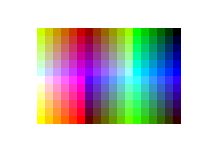
Nowadays our computers are capable of at least 256. Approximately 10% of the newest computers can only use 256 colors (8-bit). Others are equipped with 64 thousand colors (16-bit) and the highest quality deliver 16.7 million (24-bit).
When it comes to web safe colors, one thing to keep in mind is dithering. If your computer doesn’t have all the colors available for the website then it will try to simulate the colors by mixing two or more available colors from the pallet to give it the illusion of the color making it look like it has spots.
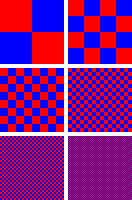

Windows 95 stuff that is.
Spot colors are CMYK colors (printing colors), and are generated by ink. CMYK does a similar proccess of mixing colors (solid) together to generate another; like cyan and magenta to make a blue or purple, or cyan and yellow to make greens. Today they are used for print, and are used by various printing companies, such as pantone. There’s really nothing that complex about CMYK, only that it’s used just for printing and only CMYK is what prints. You can’t use RGB to print unless you have an LED based RGB printer. You can preview what your picture looks like when you edit it in photoshop by looking in the previews before you print.
And now you know a little more about colors and the history behind them.
 Henry Iglesia