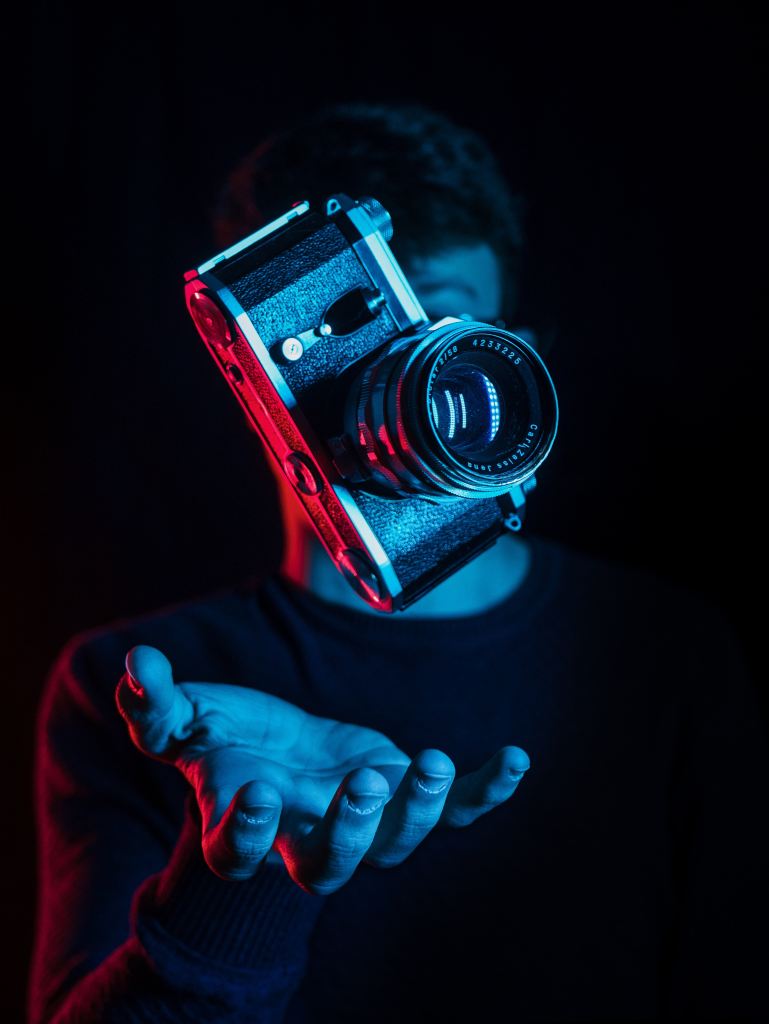
So you want to take pictures? What kind? That is the million dollar question. When it comes to photography, there are certain variables to consider when doing any photo. Which are…
- Cameras
- accessories
- the “Exposure triangle”
Cameras
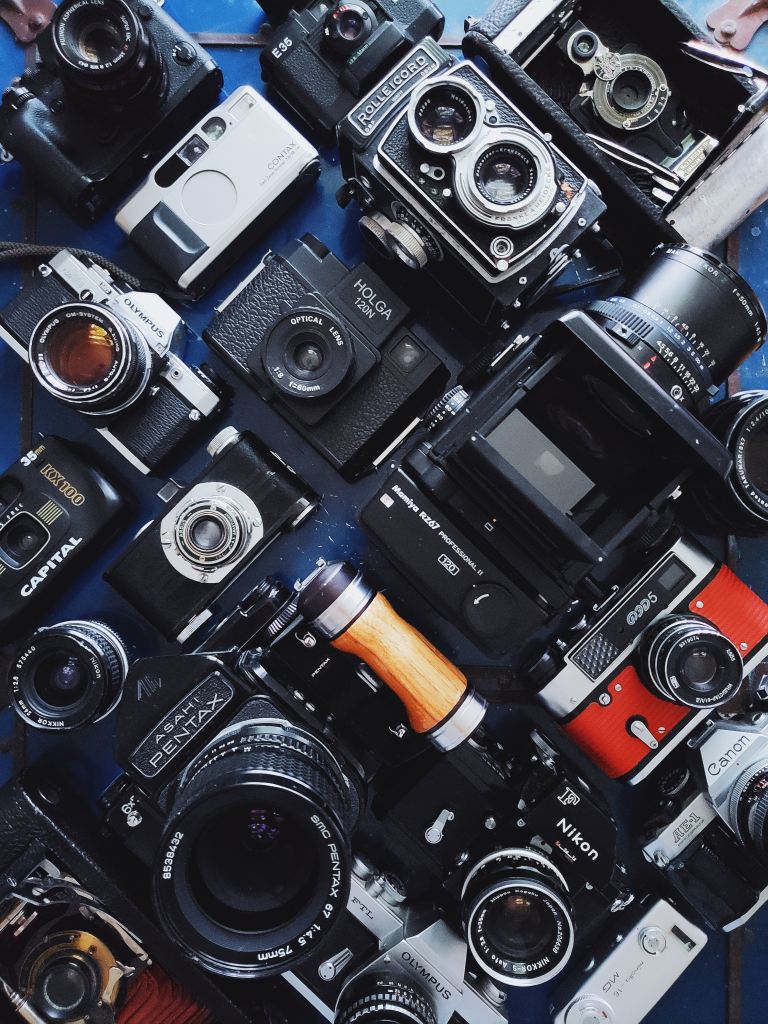
When it comes to photography there are many different cameras at your disposal. DSLR (digital single lens reflex) cameras, point-and-shoot cameras, camcorders, and… cell phones.
DSLR cameras are the ones that are mostly used in the professional world. These cameras exist in a wide variety with inter-changeable lenses for different shots. Inside the body is a mirror that reflects light coming in from lens up into an optical viewfinder, by way of prisms (for higher end models), or a series of mirrors (in lower end models). Which is how you can see what you’re shooting through the lens. When you press the shutter button the mirror flips out the way and incoming light shoots through to the image sensor. The shots are done in real-time, so unlike mirror-less cameras, which are the point-and-shoot type, there is no lag because the camera is designed not to have a sensor transfer data elsewhere on the camera. However because of this you wont be able to preview your image settings through the optical viewfinder like in mirrorless cameras.
What else these cameras have that others don’t is…
- Can take in more light for those dark areas.
- Faster auto-focusing technology.
- And interchangeable lenses
Speaking of interchangeable lenses, these cameras also use other accessories like…
- tripods, for stability
- a strap
- SD cards, for memory storage
- filters for different areas
- blowers/rags to remove dust
Mirrorless cameras do the same thing as DSLRs (which is take pictures). However they are very different in design. Both types can show the scenes through camera lenses as you compose the picture, but the mirrorless cameras use the live view capture by the sensor to create an electronic viewfinder image. The electronic viewfinder is sharper and more responsive than the optical viewfinder and can offer different customization options that you can’t get in an optical viewfinder. These vary in between cameras but include, the ability to show advanced exposure aids like histogram and waveform monitor right in the viewfinder. Mirrorless cameras have improved auto focusing and can balance out more features like eye detection, but DSLR still lead with its real time eye detection tracking.
Although DSLR cameras still surpass mirrorless ones with battery life in the near future they will improve them overtime. But until then DSLR wins that round.
Camcorders, basically combines video cameras and video cassette recorders. The earliest camcorders were recording analog signals and were tape-based, and in 2006 it was replaced with digital recording with SD cards and internal flash memory, and micro DVD. they have a built-in microphone and thus can take crisper audio.
Smart phones…
Basically for those who aren’t serious about photography, just saying.
The best camera phones are the google-pixel-4’s, Huawei P30 pro, and the Samsung galaxy S10 pro. The google pixel has a phase detection auto-focus, and dual-pixel phase detection auto-focus, have 64/128 GB of storage. While phones have settings and filters to give you the feeling of pro cameras, the best that they’re used for is… social media.
The exposure triangle
The exposure triangle is basically the foundation of a photo.
- ISO
- Aperture
- Shutter speed
Also known as…
- How much light exposure you need for the area you’re in?
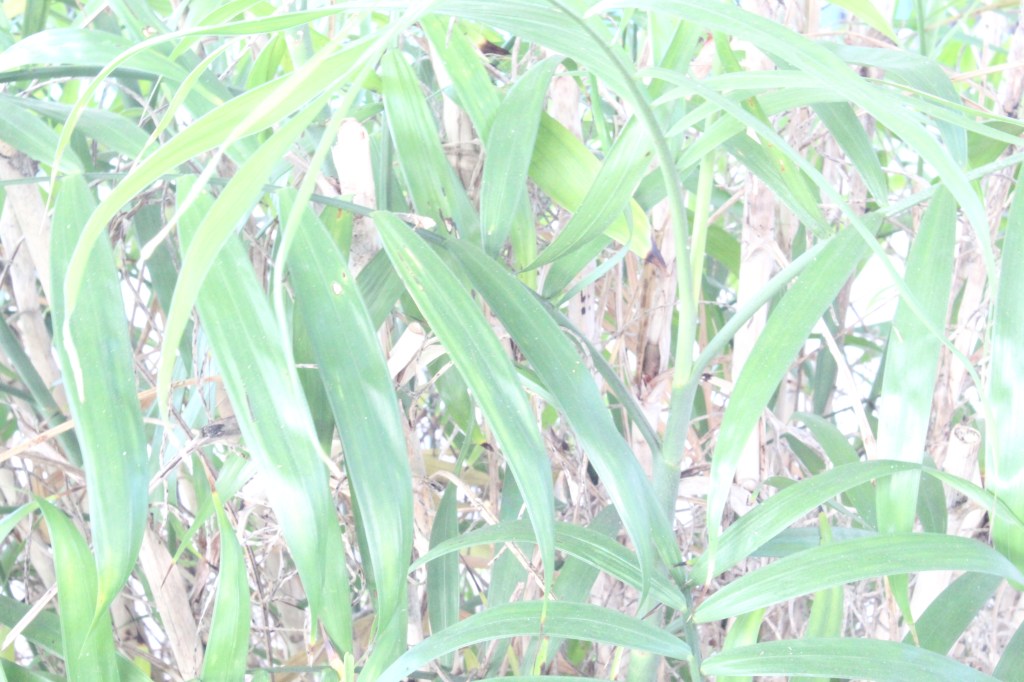
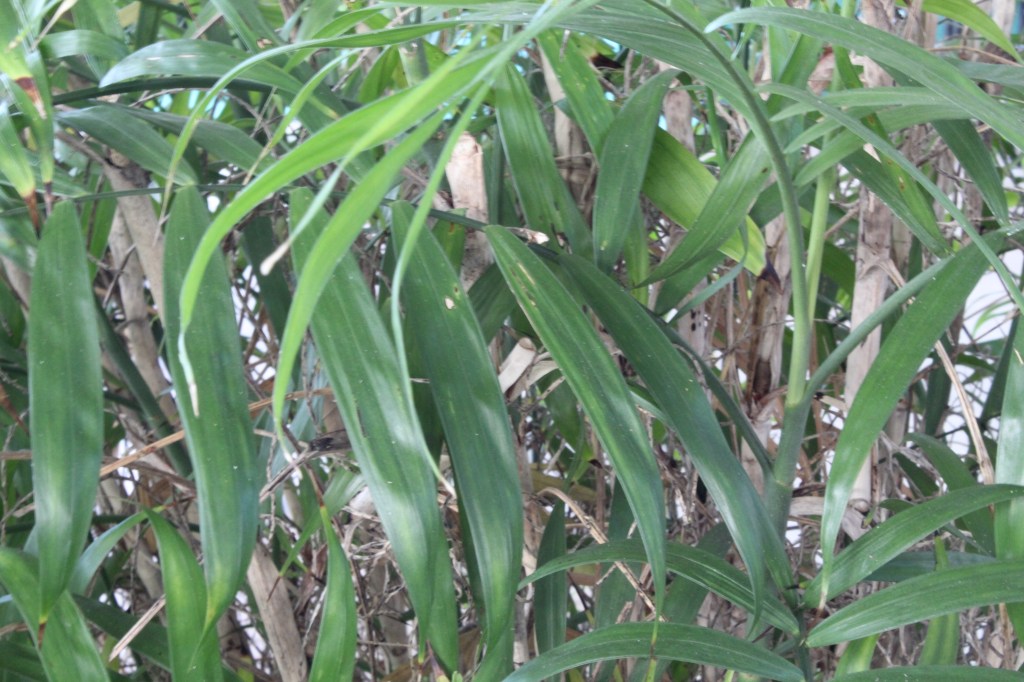
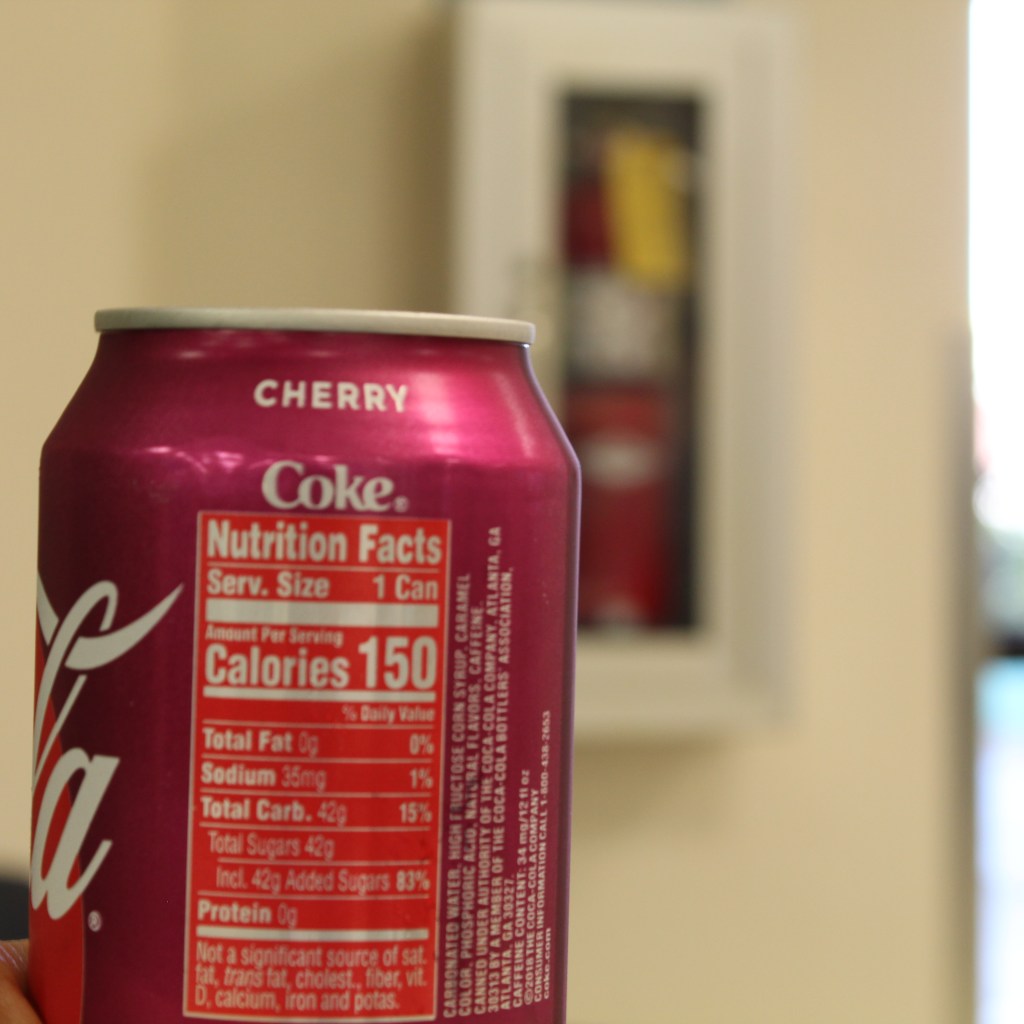
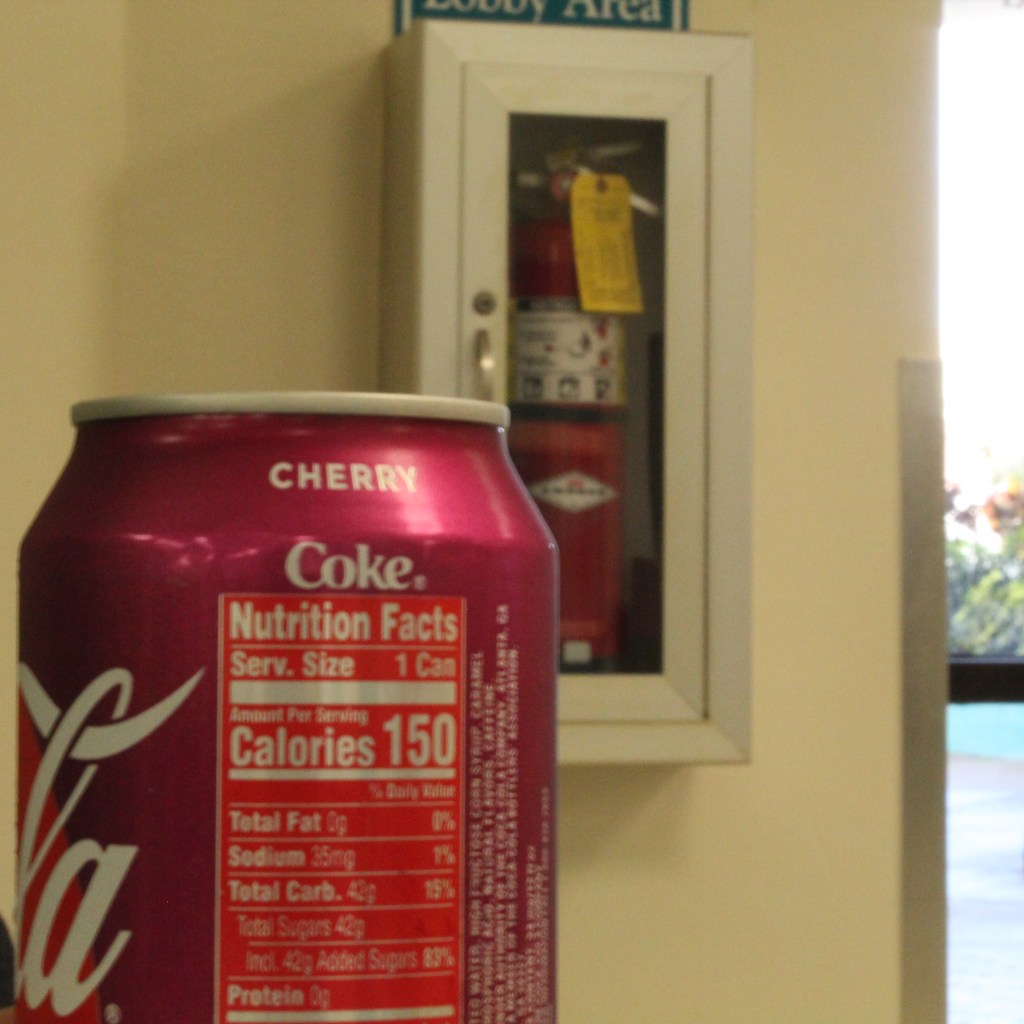
- how blurry the background is
- To ghostly moving objects
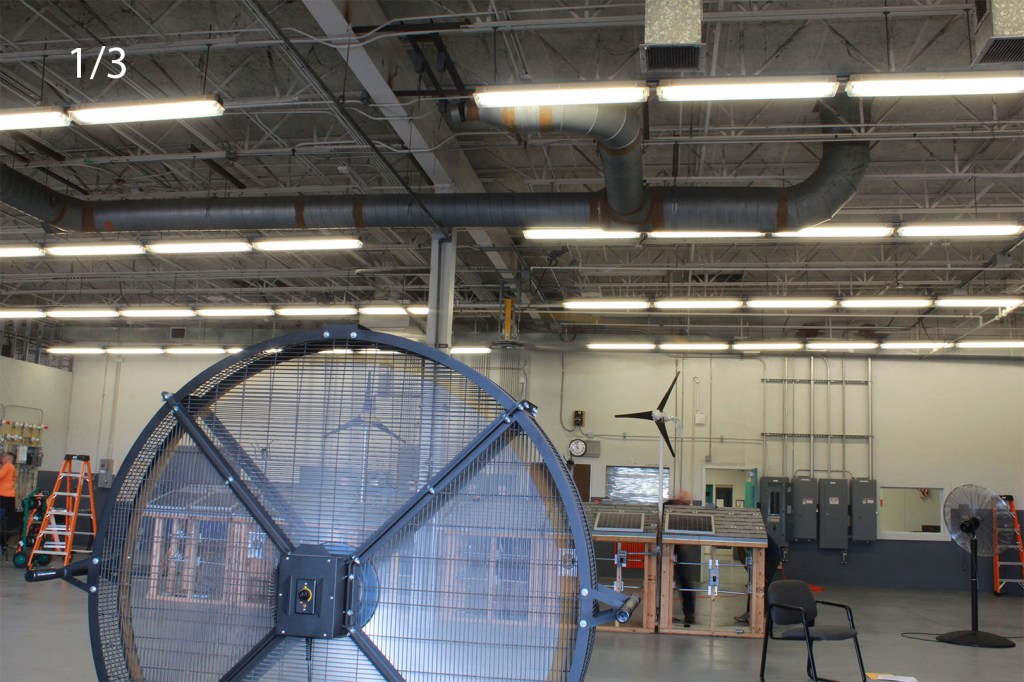
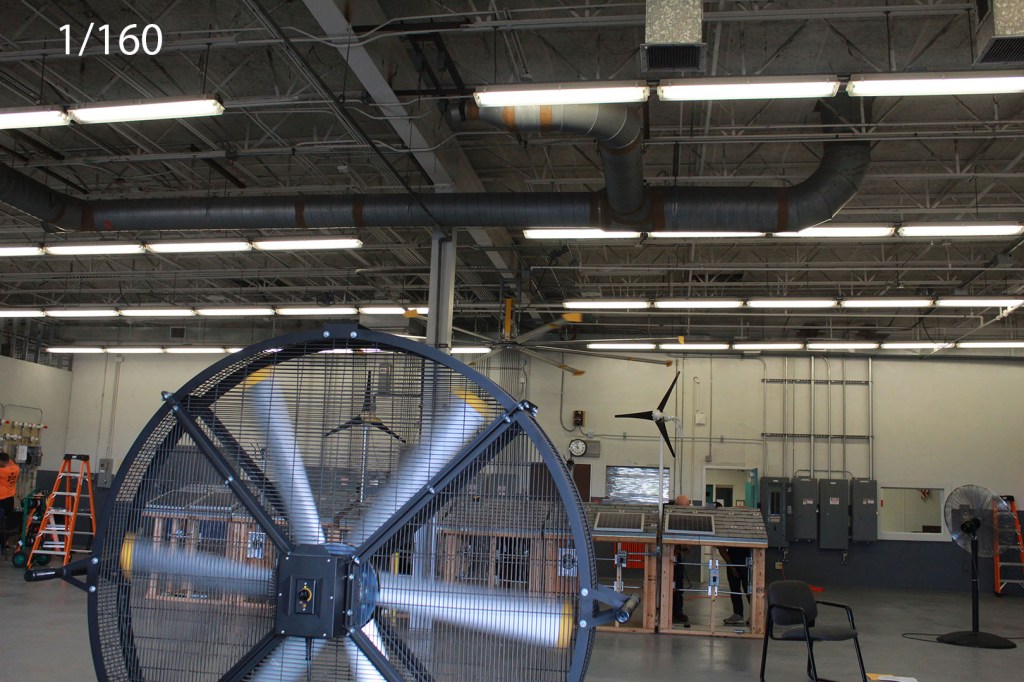
While there is a wright and a wrong way of doing these things these different settings can do many other things. Just play with the different settings to get what you want.
 Henry Iglesia