Advanced photography includes many things like; panorama, HDR, and professional grade black/white photos. Wait, HDR, panorama. What even is!? Fear not, we can find this out together.
HDR
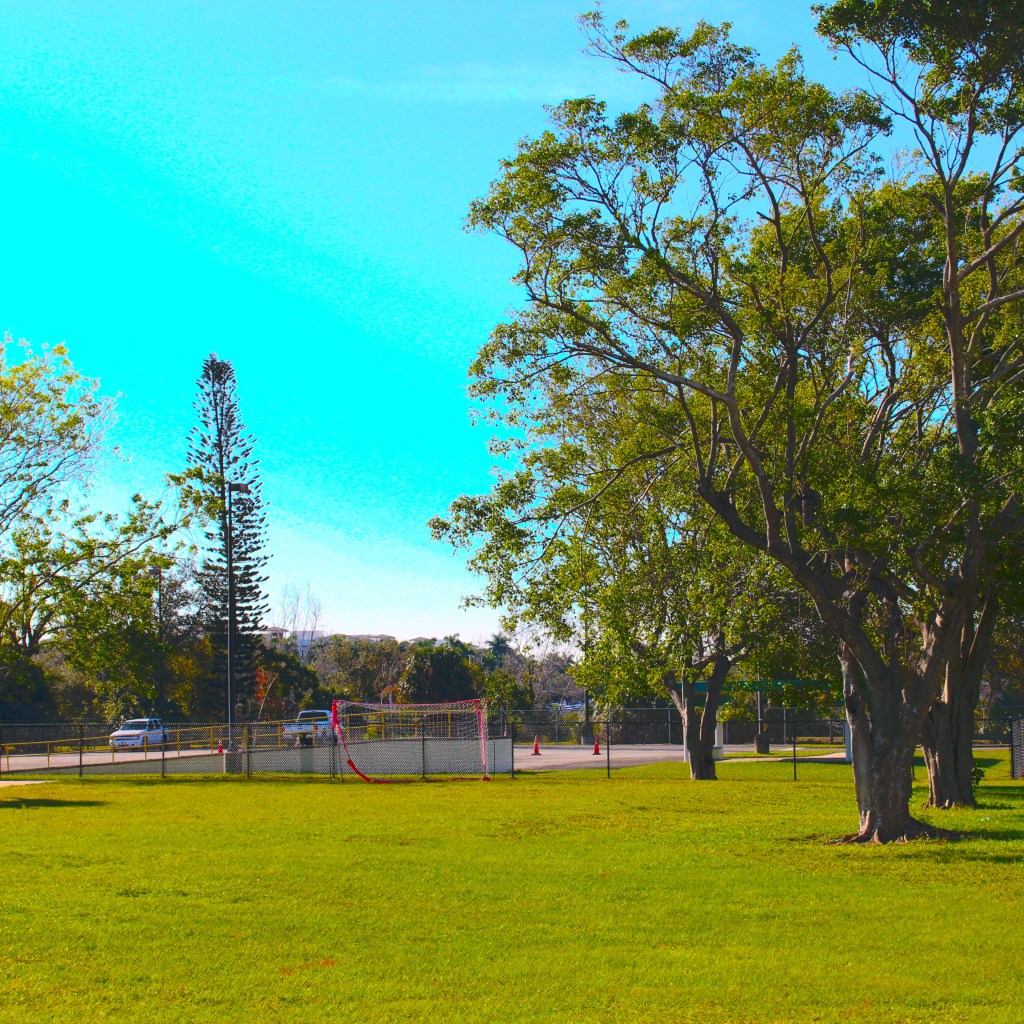
HDR stands for High Dynamic Range, the dynamic range is difference between the lightest light and the darkest dark in a photo. In a photo, if your subject exceeds the dynamic range, either the highlights can wash away the whites, or the darks can turn into black masses. That’s what HDR technology is used for, to turn the photo from under/overexposed to the higher dynamic photos. How it works is basically combining two (or even nine) photos together in a software with HDR tools to make one great looking picture. Now the pictures need to be the same exact thing with varying exposure. No moving objects (including the camera, so it’s best to use a tripod), then blend the photos together with the software.
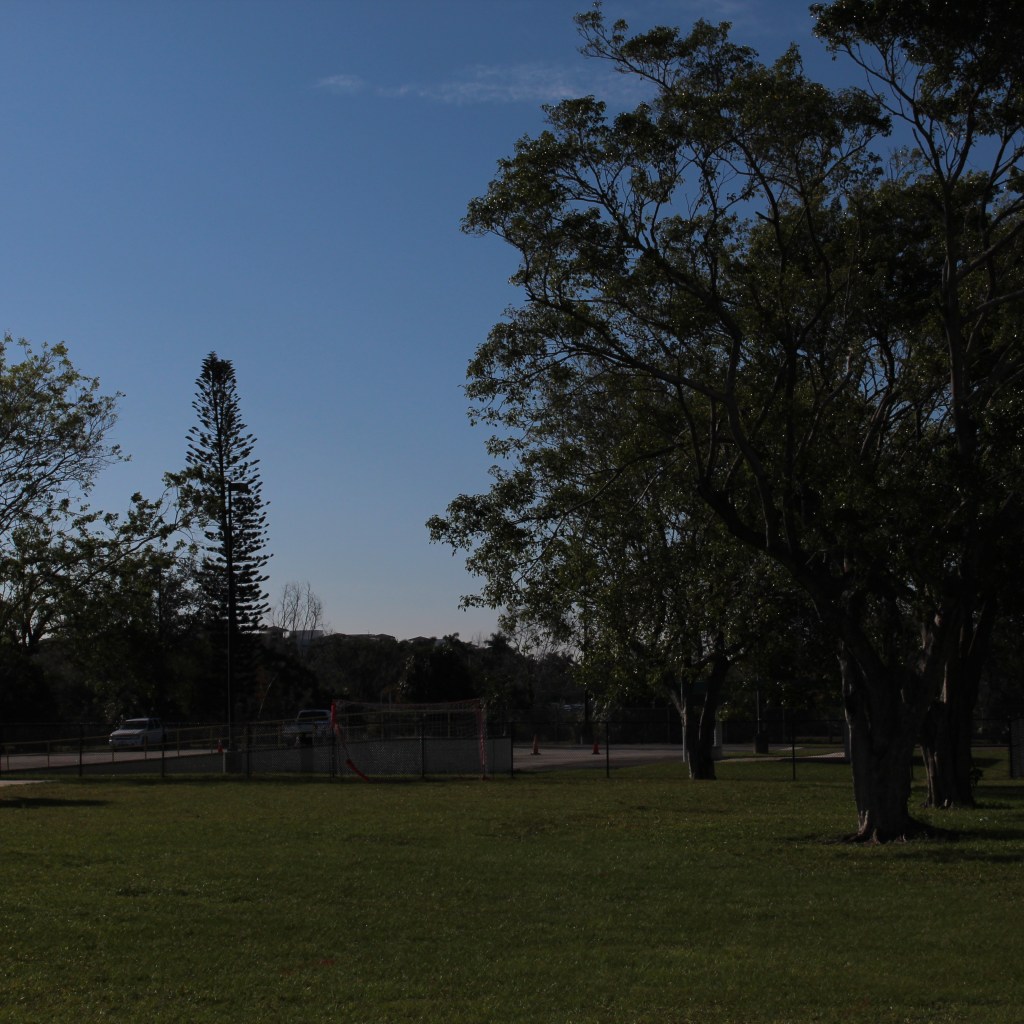
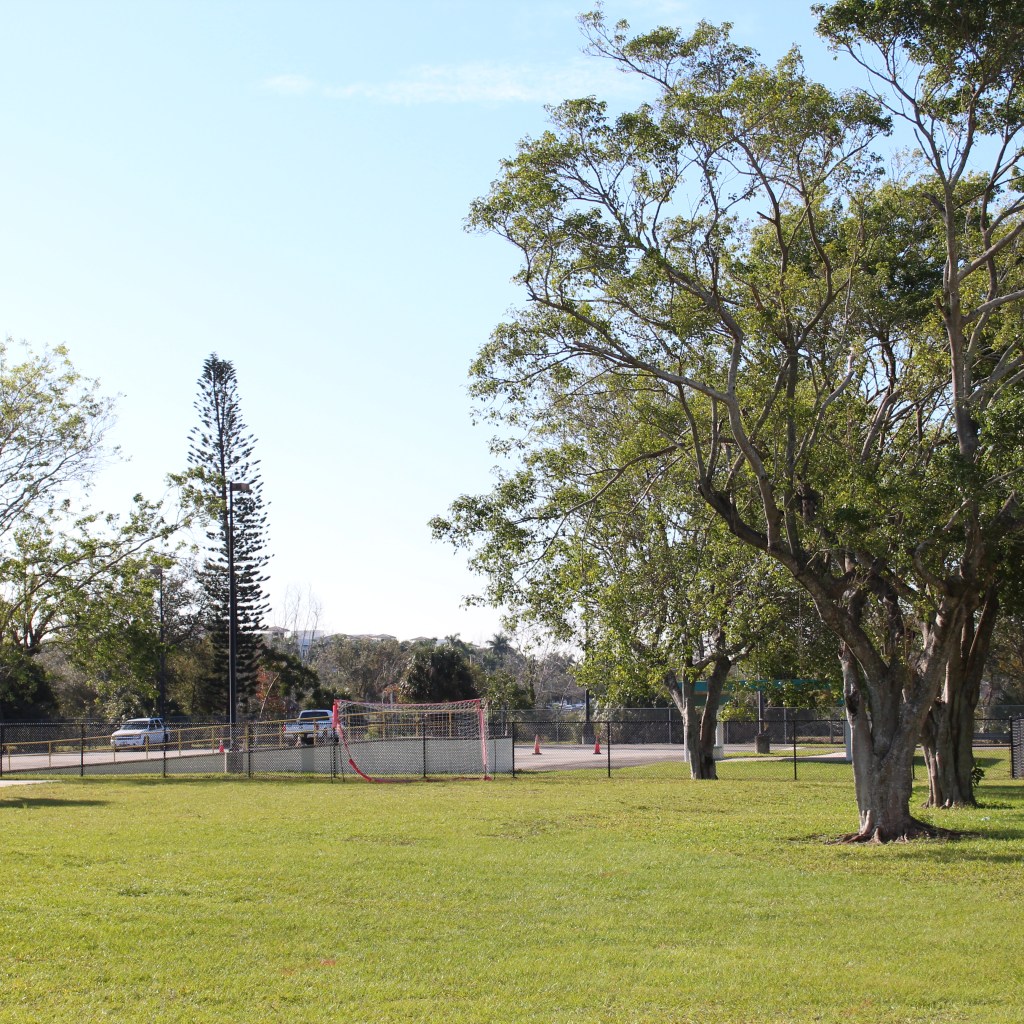
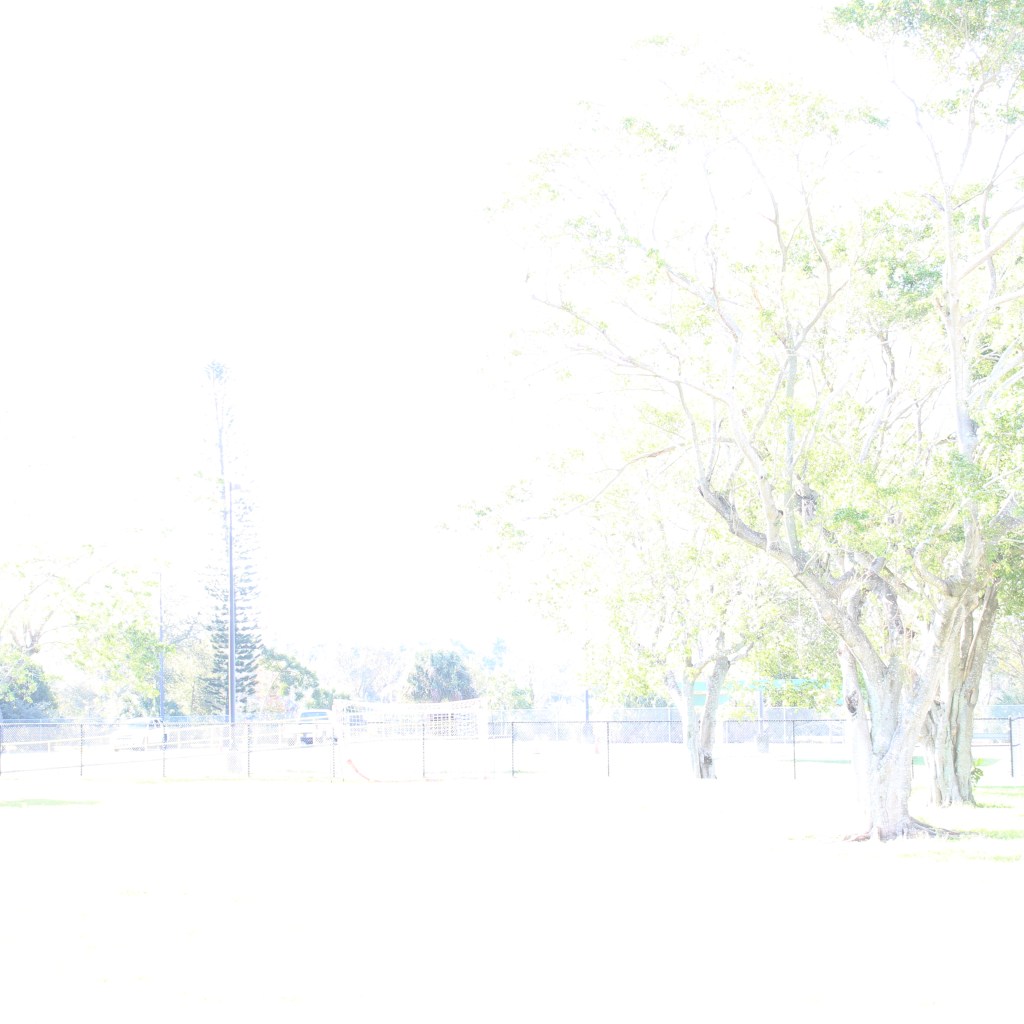
Which will get this upon combination.
Panoramic
Panorama is the wide picture. It’s one thing to take out your phone and take a picture with the panorama setting on (like some casual tourist). But to look professional here’s how you do it with a professional camera.
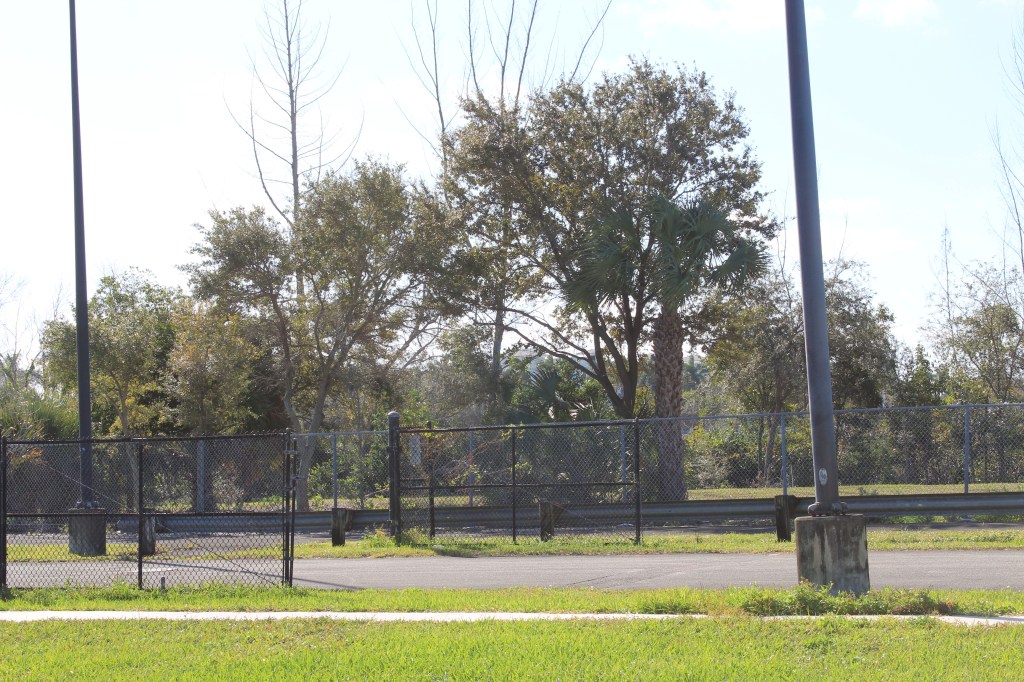
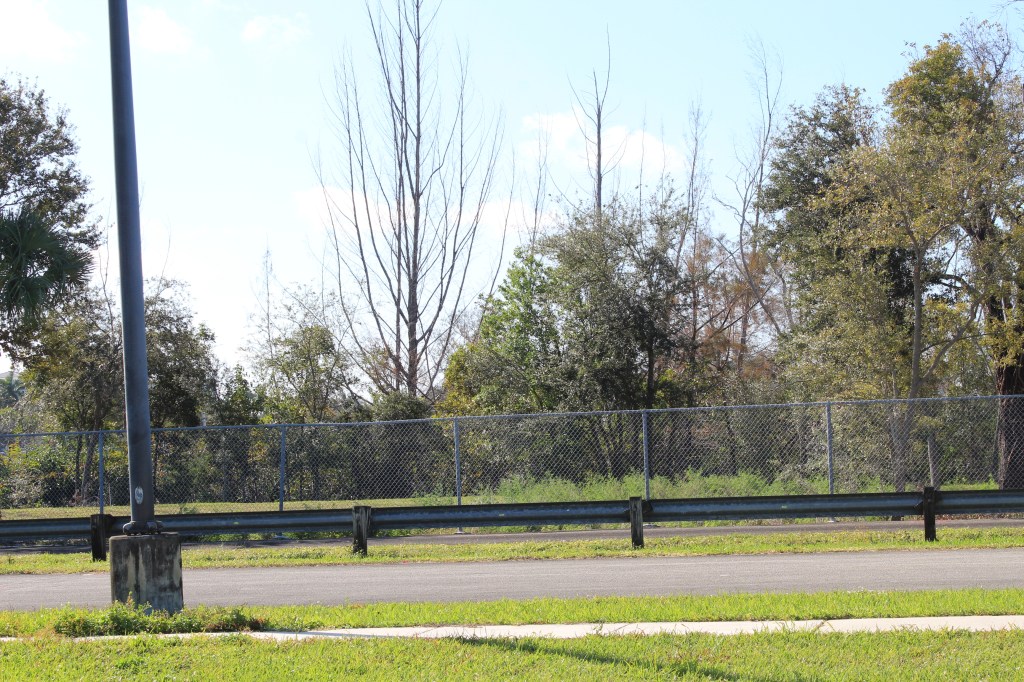
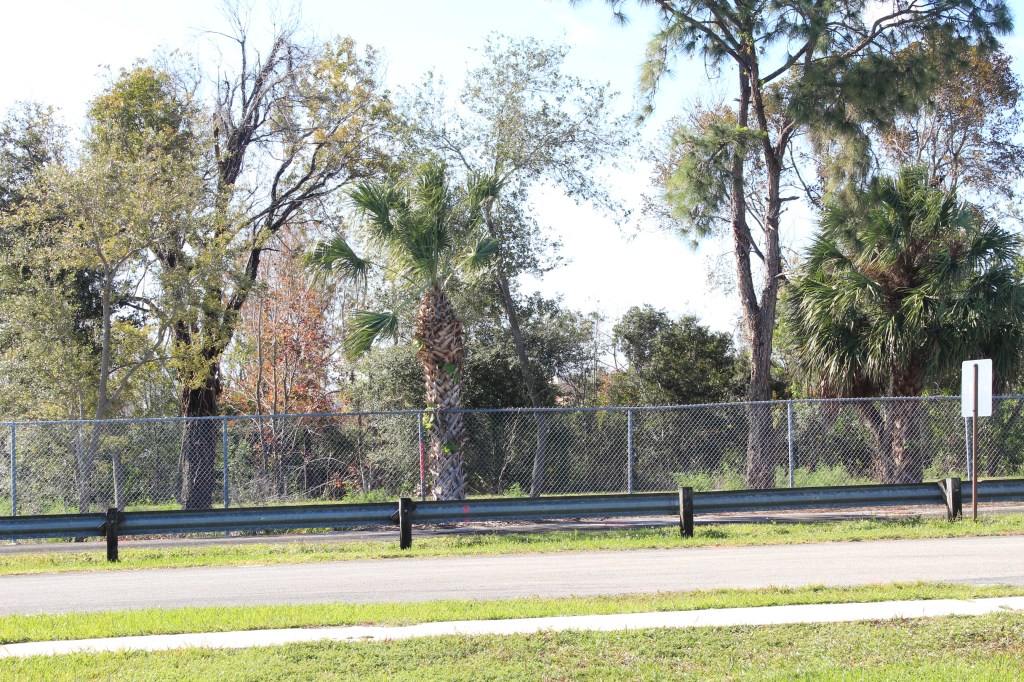

For a good panorama it’s best to use 4-5 images depending on space, but they need to be full-length so the best way to do this would be to look for key objects. Use the rule of thirds for this. Get a picture, look to the right of the grid for any key objects, and move the camera to the other side with the key item from the right to a similar spot on the left. Repeat this a couple more times and merge these photos in photoshop using the panoramic option and you should be able to make a wide looking picture that looks like this.
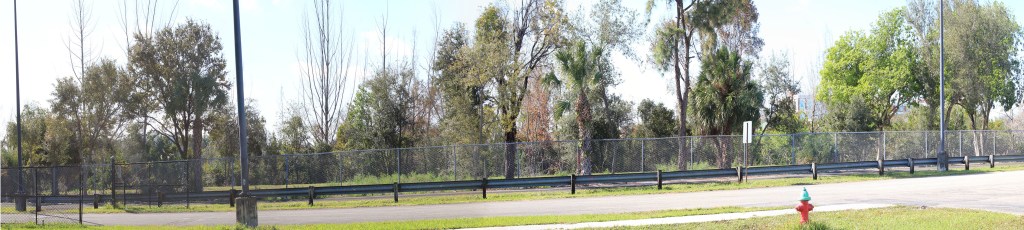
Black and white photos

Get your phone take a picture and set it to black and white, right? Nope. How about send it to photoshop, and drop the hue/saturation? Yes, but there’s more to it than that. When it comes to black and white photos there’s more to it than just taking a picture and setting it to black and white, there’s also light factor and tone balancing in order to get what you want to stand out. Monochrome photography uses black and white (and other colors like cyan, or sepia) for artistic creation.
Well that’s a few of the things to use when it comes to professional photography. Now get out there and start warping space with your image capturing dodads.
 Henry Iglesia